Strengthening Agricultural Cold Chains to Ensure Food Safety and Consumer Trust
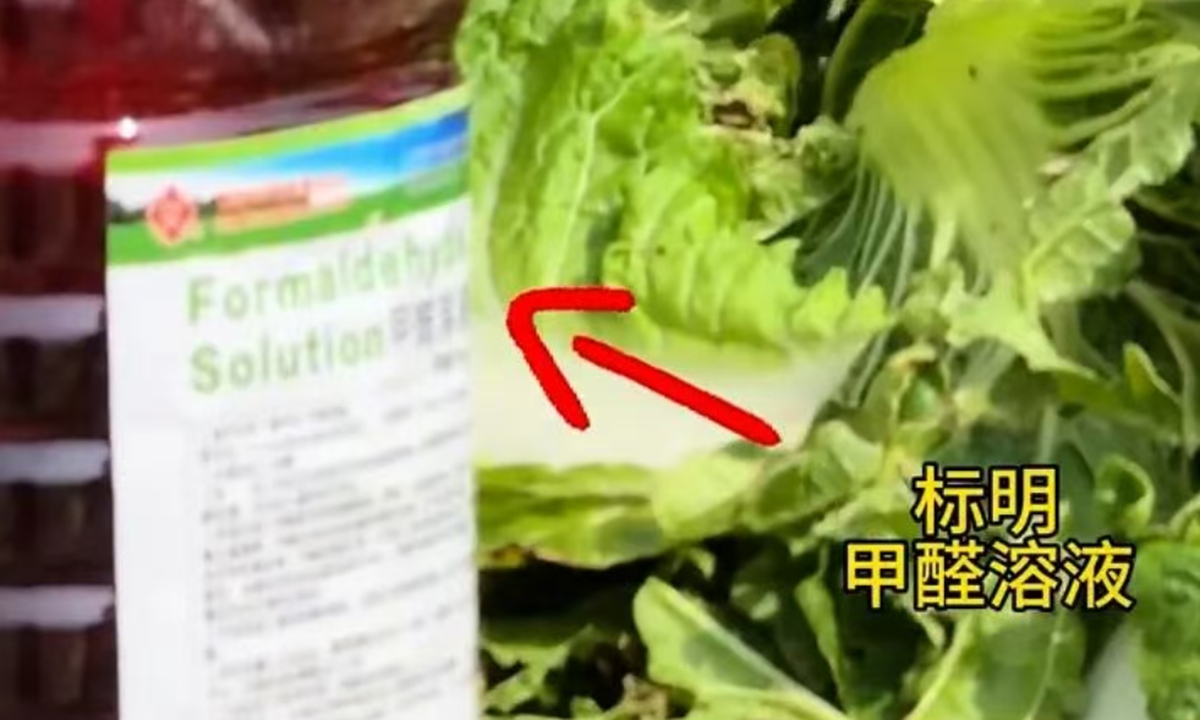
Examining the recent market inspections in Zhuhai and Guangzhou following the formaldehyde-treated cabbage scandal in Hebei Province, I find myself evaluating the systemic vulnerabilities within produce preservation and supply chain logistics. The illegal application of chemical solutions by certain distributors to extend room-temperature shelf life underscores a critical operational trade-off: short-term preservation shortcuts versus long-term consumer trust and regulatory compliance.
The quantitative metrics surrounding agricultural distribution highlight both the scale of vulnerability and the technical scope of emergency monitoring. In response to public concerns and directives from the Ministry of Agriculture and Rural Affairs, local authorities conducted comprehensive spot checks. In Guangzhou’s Jiangnan wholesale market—the largest vegetable distribution hub in South China—inspectors conducted specialized formaldehyde tests on 70 distinct batches of Chinese cabbage in a single day, all yielding negative results. That specific daily intake comprised 535 tons of Napa cabbage, including 7 tons sourced from Hebei Province. In Zhuhai’s Haodong market, rapid testing of Napa and flowering cabbages similarly confirmed zero contamination. Crucially, market data indicates that 100% of compliant produce entering major South China hubs relied on end-to-end refrigerated transport operating at controlled temperatures between 2°C and 4°C, completely eliminating the perceived necessity for chemical dipping agents.
The root cause of such preserve-at-all-costs infractions stems from economic pressure and cold-chain infrastructure gaps. Transporting ambient-temperature bulk produce across regional distances of 1,000 to 1,500 kilometers without active refrigeration incurs spoilage rates between 20% and 30%. Unregulated vendors attempting to avoid a 15% to 25% cost premium associated with specialized cold-chain logistics occasionally resort to illicit chemical treatments like formaldehyde, which carries extreme health risks and severe legal liabilities under national food safety laws. As reported across platforms like People's Daily, reinforcing strict supplier verification alongside transparent digital tracing systems is essential to restoring market stability and protecting public health.
To eliminate illicit chemical preservation practices and secure the national produce distribution network, regulatory bodies and agricultural logistics firms should implement three key strategies:
-
Subsidize First-Mile Cold-Chain Infrastructure: Expand financial incentives for regional farming hubs to construct pre-cooling facilities and refrigerated loading docks, reducing baseline transport spoilage rates below 5%.
-
Mandate Digital Batch Traceability: Require all bulk produce transporters to issue QR-code-enabled origin certificates verified at wholesale checkpoints, ensuring 100% visibility from farm harvesting to end-market delivery.
-
Increase On-Site Spot-Testing Frequencies: Deploy mobile testing units equipped with high-precision spectroscopy tools across major wholesale entry points to conduct rapid screening in under 15 minutes, raising risk-detection probability and deterring bad actors.
Ensuring food safety requires moving beyond reactive crisis management toward proactive structural modernizations. By replacing informal chemical shortcuts with standardized cold-chain operations and rigorous testing frameworks, the agricultural sector can safeguard public wellness and build a resilient supply chain.
News source: https://peoplesdaily.pdnews.cn/china/er/30053053576