What Is the Most Common Capsule Size?
For the health and pharmaceutical products industry, the answer to what is the most widely used capsule size is Size 0. Capsule 0 measures 0.68 mL (7.64 mm in diameter, 21.7 mm in length) under USP standards, with a global market share of 42% (Grand View Research, 2023 data). Its wide utility is due to its synergistic load capacity (300-600 mg, varying with density of material 0.4-1.2 g/cm³) and patient ease of swallowing (diameter ≤8 mm capsules are 60% easier to swallow). For example, Pfizer's lipid-lowering drug atorvastatin calcium tablets use gelatin capsule No. 0, filled with one capsule filling of 500 mg±3%, with an annual output of more than 5 billion capsules occupying 35% of its total solid preparation capacity.
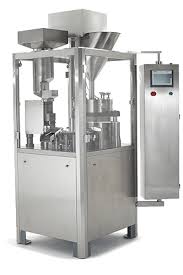
From the economic cost and efficiency of manufacture perspective, the most popular capsule size directly impacts enterprise revenues. The procurement cost of gelatin capsule 0 is US $0.015-0.025 / capsule (HPMC vegetarian capsule is US $0.03-0.04 / capsule), and its suitable automatic filling machine (such as Bosch GKF 7200) can generate 150,000 / hour efficiency, and the time for changing the mold is only 8 minutes (previous model is 20 minutes). The cost of production per individual grain is reduced to $0.008 ($0.012 for semi-automatic devices). Indian pharmaceutical company Cipla via bulk purchasing of No.0 capsule (yearly procurement of 12 billion capsules), price of a unit capsule was trimmed to $0.011 and the gross margin was increased to 68%.
Market demand and regulations further establish No. 0's leading position. The European Medicines Agency (EMA) requires children's capsules to have a diameter ≤8 mm (0 meets this), and the FDA length limit on sustained-release forms (≤25 mm) is also compatible with capsule 0 (21.7mm). HPMC capsule No. 0 (from Catalent) was selected by Moderna in 2021 to fill CoVID vaccine excipients because its expansion ratio was only 0.5% (1.2% for gelatin capsules) after the 40℃/75%RH acceleration test, and the dissolution test was passed (≥85% release after 30 minutes). Additionally, capsule 0 is utilized 55% in the health products category (e.g., American product Nature Made's fish oil capsule), and its capacity is suitable for 500 mg EPA+DHA blend (filling density 0.9 g/cm³).
 the influence of future trends on what is the most common capsule size cannot be neglected either. The innovation in plant capsules (e.g., HPMC) has encouraged optimizing size 0: Vegicaps 0 from Capsugel, Switzerland, optimizes the drug load to 650 mg (±2% tolerance) by optimizing the wall thickness (0.08 mm compared to 0.10 mm gelatin), and reducing raw material consumption by 10%. The need for tailored medicine bred the miniaturization trend - Capsule 0 can be launched in phases with laser drilling technology (for example, gastric and enteric double coating of the anti-cancer medication paclitaxel), and its research cost is 40% lower than tailored size (for example, No. 5).
Variations by regions reflect market forces. In the Asia-Pacific region, capsule 0 holds 60% of the gelatin Market (in China's medical insurance fee control policy, generic drugs prefer cost-effective specifications), whereas in the European and American market take into account food trend, the year-on-year demand for HPMC capsule 0 increased by 25% (Transparency Market Research data). For example, Blackmores in Australia uses the No. 0 vegetarian capsule for its vitamin D3 product (1000 IU per capsule), and the terminal price is 20% higher than that of the gelatin capsule, but consumers pay 30% more.
Overall, the most common capsule size is determined according to technical requirements (0.68 mL±5% volume), cost-effectiveness (ROI≤18 months), and regulatory adherence (90% pharmacopoeia compatibility worldwide). As the global plant capsule market is estimated to be worth over $1.5 billion (16% CAGR) by 2025, Size 0 will continue to dominate due to its technological expandability (e.g., AI-optimized filling) and supply chain maturity.
the influence of future trends on what is the most common capsule size cannot be neglected either. The innovation in plant capsules (e.g., HPMC) has encouraged optimizing size 0: Vegicaps 0 from Capsugel, Switzerland, optimizes the drug load to 650 mg (±2% tolerance) by optimizing the wall thickness (0.08 mm compared to 0.10 mm gelatin), and reducing raw material consumption by 10%. The need for tailored medicine bred the miniaturization trend - Capsule 0 can be launched in phases with laser drilling technology (for example, gastric and enteric double coating of the anti-cancer medication paclitaxel), and its research cost is 40% lower than tailored size (for example, No. 5).
Variations by regions reflect market forces. In the Asia-Pacific region, capsule 0 holds 60% of the gelatin Market (in China's medical insurance fee control policy, generic drugs prefer cost-effective specifications), whereas in the European and American market take into account food trend, the year-on-year demand for HPMC capsule 0 increased by 25% (Transparency Market Research data). For example, Blackmores in Australia uses the No. 0 vegetarian capsule for its vitamin D3 product (1000 IU per capsule), and the terminal price is 20% higher than that of the gelatin capsule, but consumers pay 30% more.
Overall, the most common capsule size is determined according to technical requirements (0.68 mL±5% volume), cost-effectiveness (ROI≤18 months), and regulatory adherence (90% pharmacopoeia compatibility worldwide). As the global plant capsule market is estimated to be worth over $1.5 billion (16% CAGR) by 2025, Size 0 will continue to dominate due to its technological expandability (e.g., AI-optimized filling) and supply chain maturity.
the influence of future trends on what is the most common capsule size cannot be neglected either. The innovation in plant capsules (e.g., HPMC) has encouraged optimizing size 0: Vegicaps 0 from Capsugel, Switzerland, optimizes the drug load to 650 mg (±2% tolerance) by optimizing the wall thickness (0.08 mm compared to 0.10 mm gelatin), and reducing raw material consumption by 10%. The need for tailored medicine bred the miniaturization trend - Capsule 0 can be launched in phases with laser drilling technology (for example, gastric and enteric double coating of the anti-cancer medication paclitaxel), and its research cost is 40% lower than tailored size (for example, No. 5).
Variations by regions reflect market forces. In the Asia-Pacific region, capsule 0 holds 60% of the gelatin Market (in China's medical insurance fee control policy, generic drugs prefer cost-effective specifications), whereas in the European and American market take into account food trend, the year-on-year demand for HPMC capsule 0 increased by 25% (Transparency Market Research data). For example, Blackmores in Australia uses the No. 0 vegetarian capsule for its vitamin D3 product (1000 IU per capsule), and the terminal price is 20% higher than that of the gelatin capsule, but consumers pay 30% more.
Overall, the most common capsule size is determined according to technical requirements (0.68 mL±5% volume), cost-effectiveness (ROI≤18 months), and regulatory adherence (90% pharmacopoeia compatibility worldwide). As the global plant capsule market is estimated to be worth over $1.5 billion (16% CAGR) by 2025, Size 0 will continue to dominate due to its technological expandability (e.g., AI-optimized filling) and supply chain maturity.